
Skin of colour is not one skin type. It includes a wide range of melanin-rich skin tones, including Black, Brown, South Asian, East Asian, Southeast Asian, Middle Eastern, Pacific Islander, First Nations, Latin, Brazilian and mixed-heritage skin tones.
A person can have melanin-rich skin and still be oily, dry, sensitive, acne-prone, mature, dehydrated or reactive. So, the difference is not that melanin-rich skin has a completely different structure. At a basic level, all human skin has the same essential components: a skin barrier, oil glands, collagen, blood vessels, immune cells and melanocytes. The difference is how pigment behaves.
Melanocytes are the cells that produce melanin. Everyone has them, but in deeper skin tones, the pigment system is more active, and the pigment is more visible in the skin. This matters because irritation, inflammation or injury can leave behind pigmentation that is more noticeable and slower to fade.
A breakout, product reaction, shaving irritation, waxing trauma, picking, over-exfoliation, heat, or an aggressive treatment can all leave discolouration behind. This is one of the main reasons melanin-rich skin needs more consideration when choosing products, introducing treatments and building a routine.
Pigmentation is not just a brightening serum problem
If the skin is still breaking out, over-exfoliated, stripped by a cleanser, irritated by too many actives or unprotected during the day, pigmentation becomes harder to manage. The focus should not only be on what fades the mark. It should also address what caused the mark, whether the skin is still irritated, and whether the current routine is supporting the skin or working against it.
A product can be suitable for pigmentation yet inappropriate for the skin at that stage. If the barrier is compromised, strong actives may create more irritation. If acne is still active, only treating the leftover marks misses the source of the problem. If sunscreen is inconsistent, pigmentation can deepen and take longer to improve.
Treatment needs to be introduced slowly
Melanin-rich and pigment-prone skin often responds better when treatment is introduced gradually.
This does not mean avoiding active ingredients. Azelaic acid, retinoids, vitamin C, tranexamic acid, niacinamide, gentle exfoliants and pigment-supporting serums can all have a role. The important part is choosing the right ingredient for the concern and introducing it at a pace the skin can tolerate.
The structure is the same, the strategy is different
The basic structure of a skincare routine is the same for most people: cleanse, treat, nourish and protect. What changes with melanin-rich skin is the level of care behind each step.
Clean
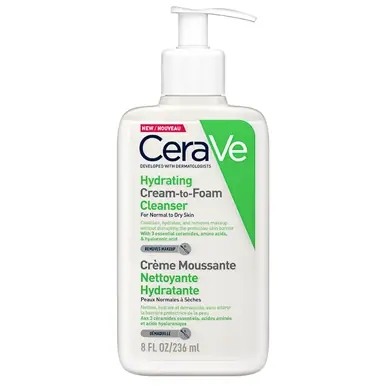
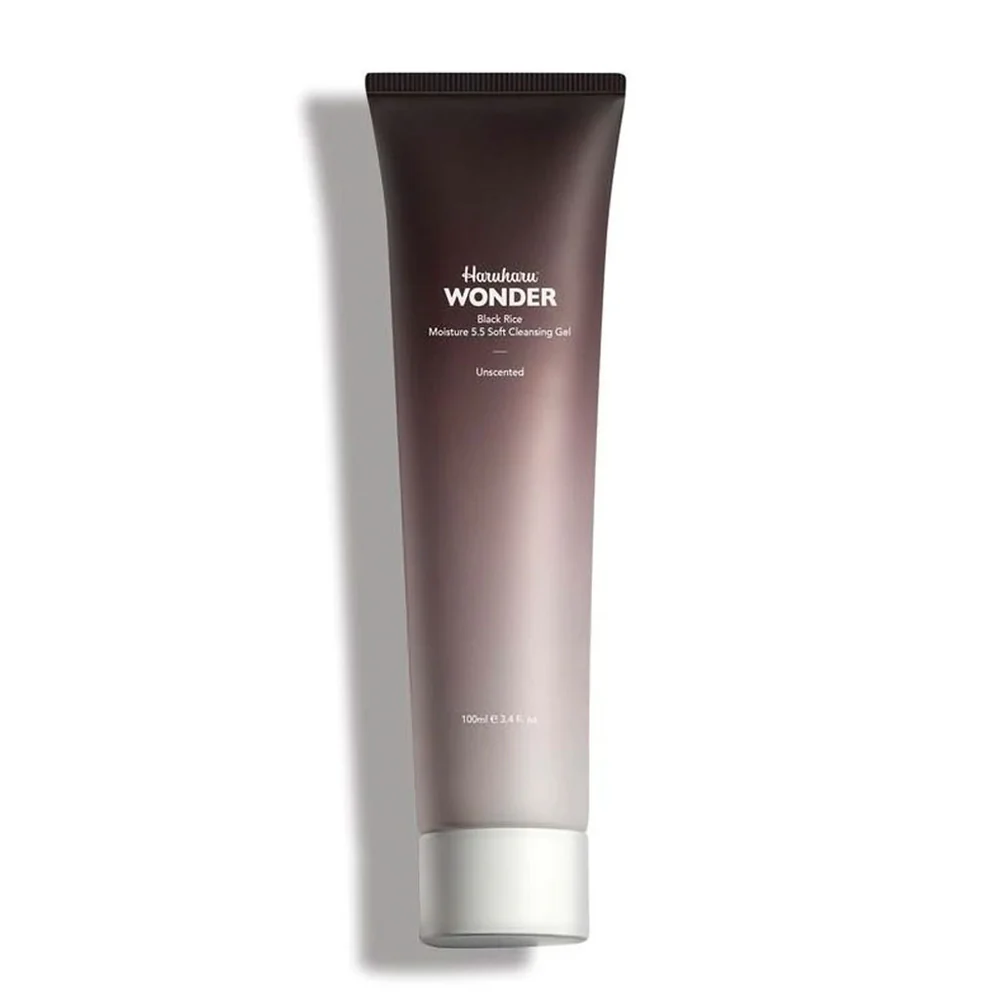
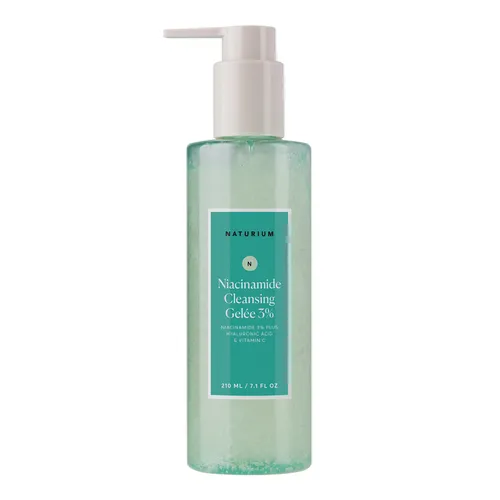
Clean means cleansing without stripping the skin. A cleanser should remove sunscreen, makeup, oil, and daily buildup without leaving the skin tight, squeaky, or uncomfortable. For melanin-rich, pigment-prone skin, cleansing is one area where the approach may need to shift.
Most people choose a cleanser based only on skin type. If the skin is oily, they reach for a foaming cleanser. If the skin is acne-prone, they reach for an acne cleanser. If the skin feels dull, they may start using exfoliating cleansers more often.
But the choice of cleanser should also take into account the condition of the skin. If the skin is tight, dry, shiny, irritated, stinging, over-exfoliated or dealing with pigmentation after inflammation, aggressive cleansing can make the rest of the routine harder to tolerate. The skin may need a gentler approach before introducing treatment products.
For some people, that may mean skipping a full morning cleanse and simply rinsing with water. For others, it may mean using a very gentle water-based cleanser in the morning, then a cleanser suited to their skin type in the evening. Someone wearing makeup, sunscreen or heavier products may still need a more thorough cleanse at night.
The point is not that everyone with melanin-rich skin should cleanse the same way. The point is that cleansing should not leave the skin feeling stripped.
Product examples:
Treat
Treat is where the main concern is addressed, whether that is acne, pigmentation, dullness, texture or uneven tone. This step should be targeted, not overloaded. In melanin-rich skin, treatments are usually better introduced gradually so the skin has time to build tolerance.
Product examples:
Nourish
Nourish supports the skin barrier. Moisturiser is not just a comfort product. It helps the skin tolerate treatment products and reduces dryness, tightness and irritation. This becomes especially important when using retinoids, exfoliating acids, acne treatments or pigment-supporting products.
Product examples:
Protect
Protect means daily sunscreen. This matters for everyone, but it becomes especially important when dark marks, melasma or uneven tone are part of the concern. Many deeper skin tones do not burn easily, but UV exposure can still deepen pigmentation and slow progress.
Product examples:
A note on product examples
The products mentioned are examples only. They are not a prescription, and they are not intended to be used all at once.
The right routine depends on the person’s skin history, current products, sensitivity, pigmentation pattern, lifestyle, budget and consistency. Product choice matters, but product order, tolerance and timing matter just as much.
Final thought
Melanin-rich skin needs a routine built around pigment control, barrier support and irritation management. That is the difference.
The goal is not to use more products. The goal is to use the right products in the right order, at the right pace, with sufficient support and protection. That is how home care becomes a treatment plan, not just a collec